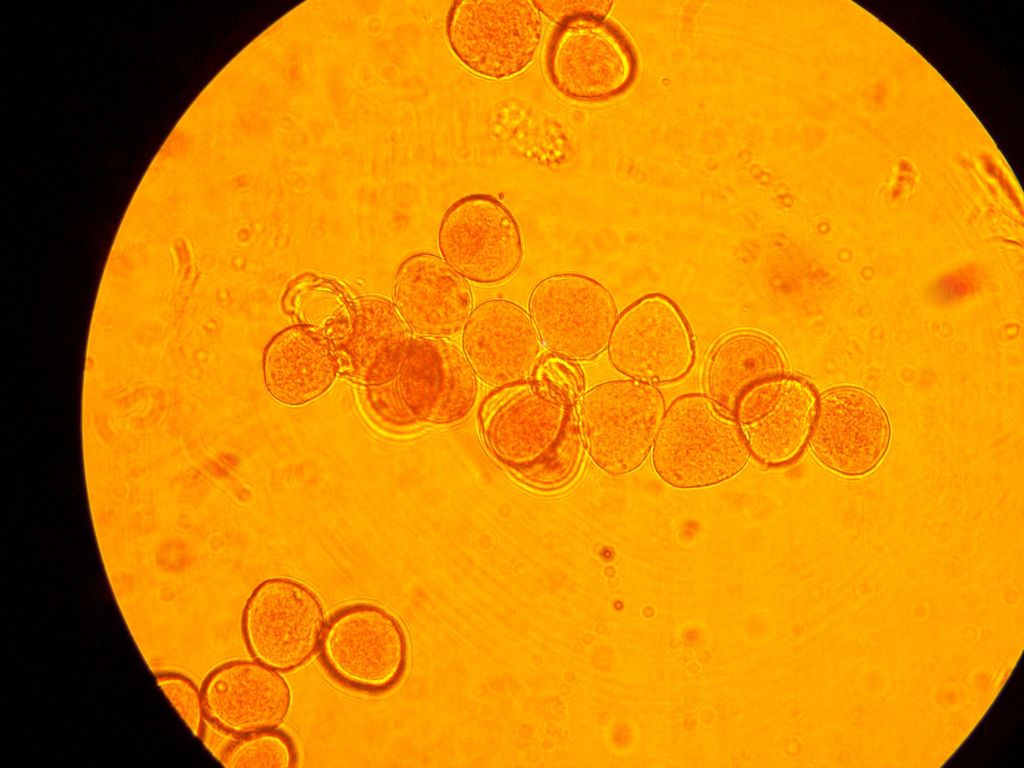
1.what are pollen grains?
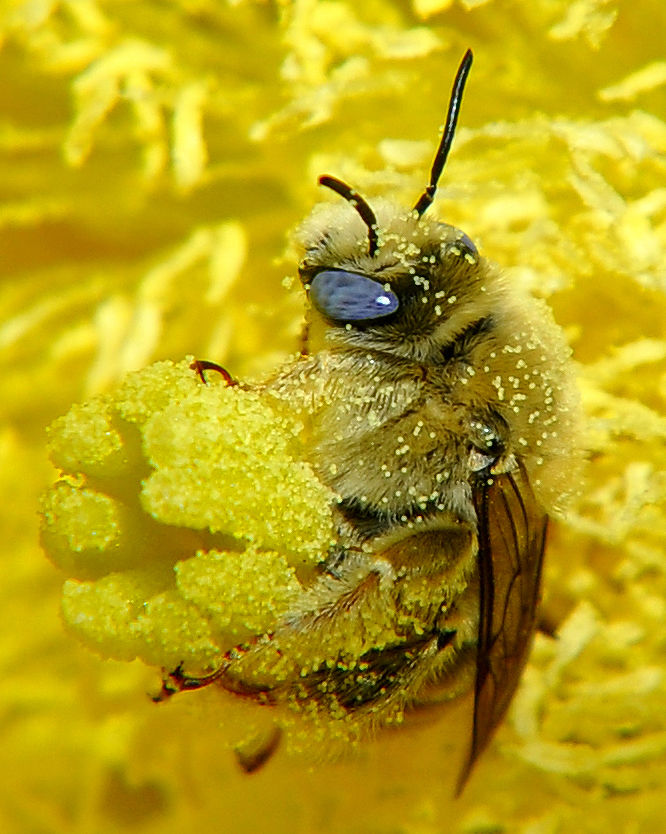
Pollen is a powdery substance produced by seed plants. It consists of pollen grains (highly reduced microgametophyte), which produce male gamets (sperm cells). Pollen grains have a hard coat made of sporopollenin that protects the gametophytes during the process of their movement from the stamen to the pistil of flowering plants, or from the male cone to the female cone of gymnoosperm. If pollen lands on a compatible pistil or female cone, it germinates producing a pollenube that transfers the sperm to the ovule containing the female gametophyte.
1. Impressive Nutritional Profile With More Than 250 Active Substances
Bee pollen boasts an impressive nutritional profile.
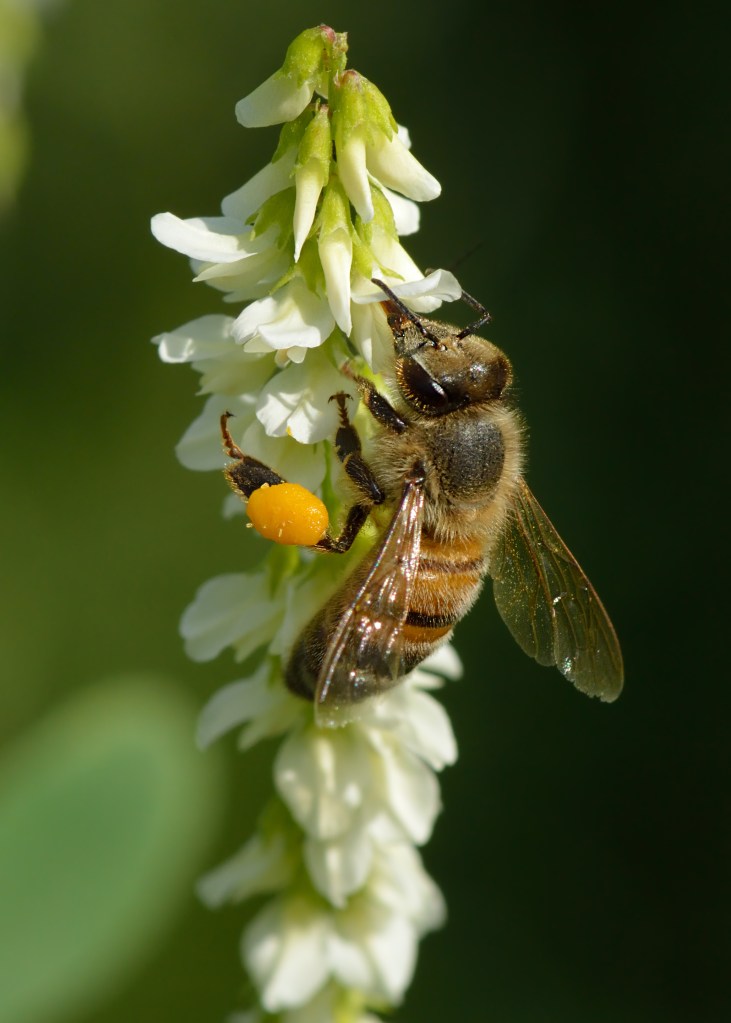
It contains over 250 biologically active substances, including proteins, carbs, lipids, fatty acids, vitamins, minerals, enzymes and antioxidants.
Bee pollen granules consist of approximately :
- Carbs: 40%
- Protein: 35%
- Water: 4–10%
- Fats: 5%
- Other substances: 5–15%
The latter category includes vitamins, minerals, antibiotics and antioxidants.
However, the pollen’s nutritional content depends on the plant source and season collected.
For instance, studies have shown that bee pollen collected from pine plants has approximately 7% protein, while pollen collected from date palm packs closer to 35% protein.
In addition, bee pollen harvested during springtime has a significantly different amino acid composition than pollen collected during the summer.
2. High Antioxidant Content Protects From Free Radicals and Chronic Diseases
Bee pollen is loaded with a wide variety of antioxidants, among them flavonoids, carotenoids, quercetin, kaempferol and glutathione (5Trusted Source).
Antioxidants protect your body against potentially harmful molecules called free radicals. Damage by free radicals is linked to chronic diseases such as cancer and type 2 diabetes.
Test-tube, animal and some human studies have shown that bee pollen antioxidants can reduce chronic inflammation, eliminate harmful bacteria, fight infections and combat the growth and spread of tumors.
However, bee pollen’s antioxidant content also depends on its plant source .
Unless a plant source is specifically stated on the label, it can be difficult to determine where your bee pollen came from.
3. May Lower Heart Disease Risk Factors Like High Blood Lipids and Cholesterol
Heart disease is the leading cause of death worldwide (9).
Both high blood lipids and high blood cholesterol are linked to an increased risk of heart disease. Interestingly, bee pollen may lower these risk factors.
For instance, animal studies have shown that bee pollen extracts can lower blood cholesterol levels, especially “bad” LDL cholesterol (10Trusted Source, 11Trusted Source).
In people with nearsightedness caused by clogged arteries, bee pollen supplements lowered blood cholesterol levels, which increased their field of vision (7Trusted Source).
Additionally, antioxidants in bee pollen may protect lipids from oxidizing. When lipids oxidize they can clump together, restricting blood vessels and raising your heart disease risk
4. May Boost Liver Function and Protect Your Liver From Toxic Substances
Your liver is a vital organ that breaks down and removes toxins from your blood.
Animal studies have found that bee pollen may enhance its detoxifying abilities.
In older animals, bee pollen boosted the liver’s antioxidant defense and removed more waste products, such as malondialdehyde and urea, from the blood.
Other animal studies show that bee pollen antioxidants safeguard the liver against damage from several toxic substances, including drug overdoses. Bee pollen promotes liver healing as well (5Trusted Source, 13Trusted Source, 14Trusted Source).
However, few human studies have assessed bee pollen’s effects on liver function. More human studies are needed to establish health recommendations.
5. Packs Several Compounds With Anti-Inflammatory Properties
Bee pollen has been used traditionally to reduce inflammation and swelling.
An animal study showed that bee pollen extract reduced swelling of rats’ paws by 75% (15Trusted Source).
In fact, its anti-inflammatory effects have been compared to several nonsteroidal anti-inflammatory drugs, such as phenylbutazone, indomethacin, analgin and naproxen (7Trusted Source).
Bee pollen packs several compounds that can reduce inflammation and swelling, including the antioxidant quercetin, which lowers the production of inflammatory omega-6 fatty acids, such as arachidonic acid (16Trusted Source).
What’s more, plant compounds in bee pollen may suppress biological processes that stimulate the production of inflammatory hormones such as tumor necrosis factor (TNF) (17Trusted Source).
 Health Upgrade